Dental care that protects more than teeth
By age three, most dogs and cats already have some dental disease - and it's a leading cause of pain and infection. A proper cleaning does far more than freshen breath; it protects your pet's whole-body health.
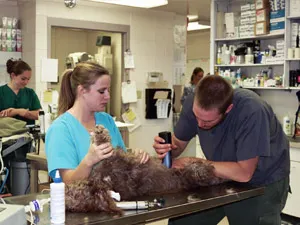
A real cleaning, not just a polish
Meaningful dental care happens below the gumline, which is why it's done under safe, monitored anesthesia.
- Full oral examA tooth-by-tooth look for fractures, resorptive lesions, loose teeth and painful spots.
- Dental x-raysMost dental disease hides under the gumline; radiographs show us what the eye can't see.
- Scaling & polishingComplete removal of tartar and plaque above and below the gumline, then a smooth polish.
- Extractions when neededDiseased or painful teeth are removed gently, with pain control and aftercare built in.
- Safe, monitored anesthesiaContinuous monitoring keeps your pet safe and completely still for a thorough job.
- Home-care guidancePractical advice on brushing, diets and chews to stretch the time between cleanings.
Dental pain is easy to miss - and easy to prevent
Pets rarely stop eating because of a sore mouth; they simply learn to live with it. Untreated dental disease can lead to abscesses, tooth loss, and bacteria that strain the heart, liver and kidneys.
Regular cleanings and a look under the gumline catch these problems while they're small - keeping your pet comfortable and heading off bigger, costlier treatment later.
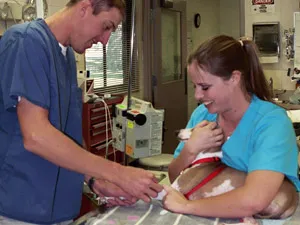
Care that often goes hand in hand
Pet dentistry FAQ
The questions Fort Collins pet owners ask us most about dental care.
Why does a dental cleaning need anesthesia?
How do I know if my pet has dental disease?
How often does my pet need a dental cleaning?
Can I prevent dental disease at home?
Book a dental check for your pet
Not sure whether your pet's mouth needs attention? A quick dental check gives you a clear answer. Call us to schedule.